 English
 Hrvatski

AI Roadmap for Business Impact


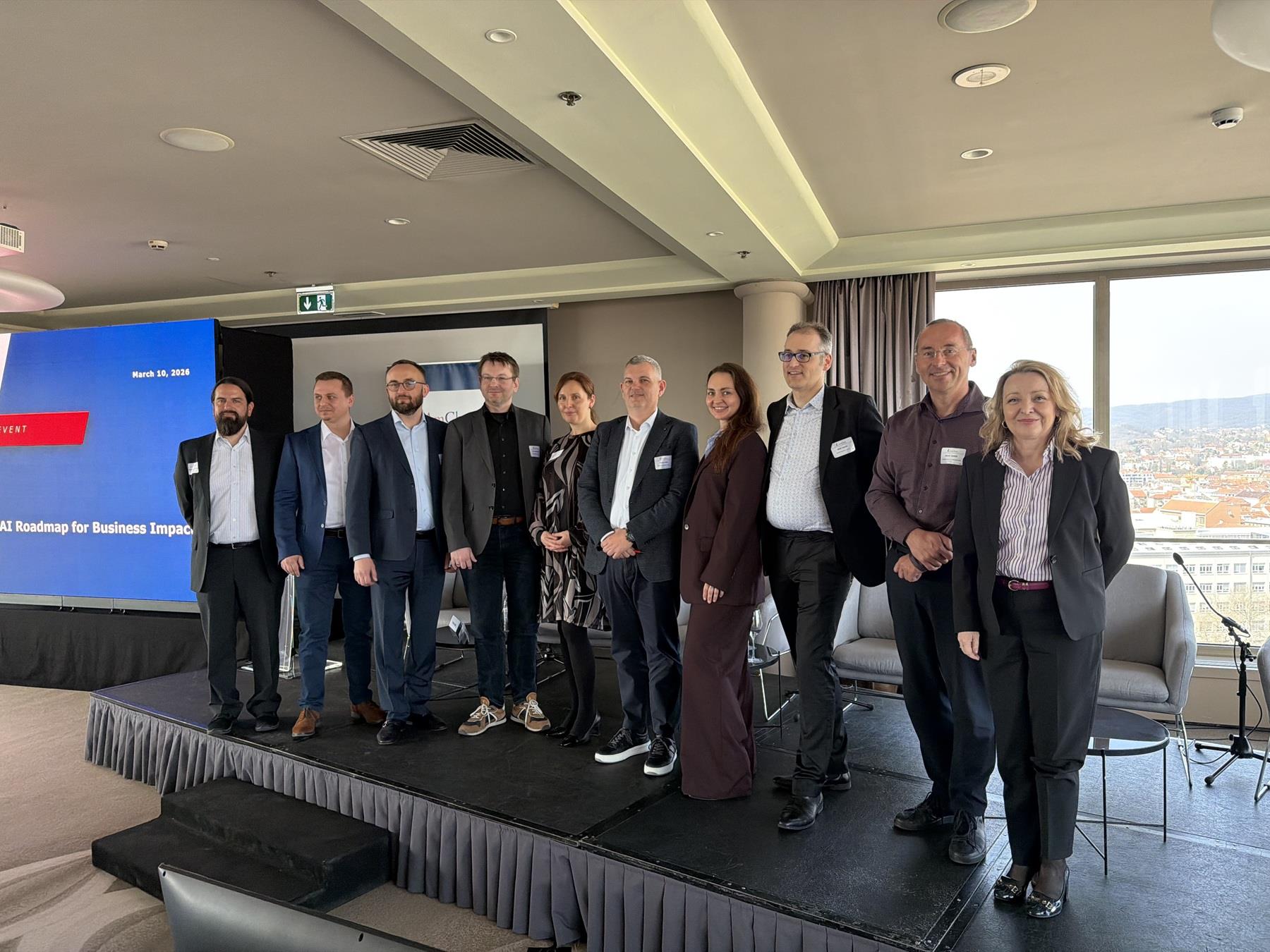
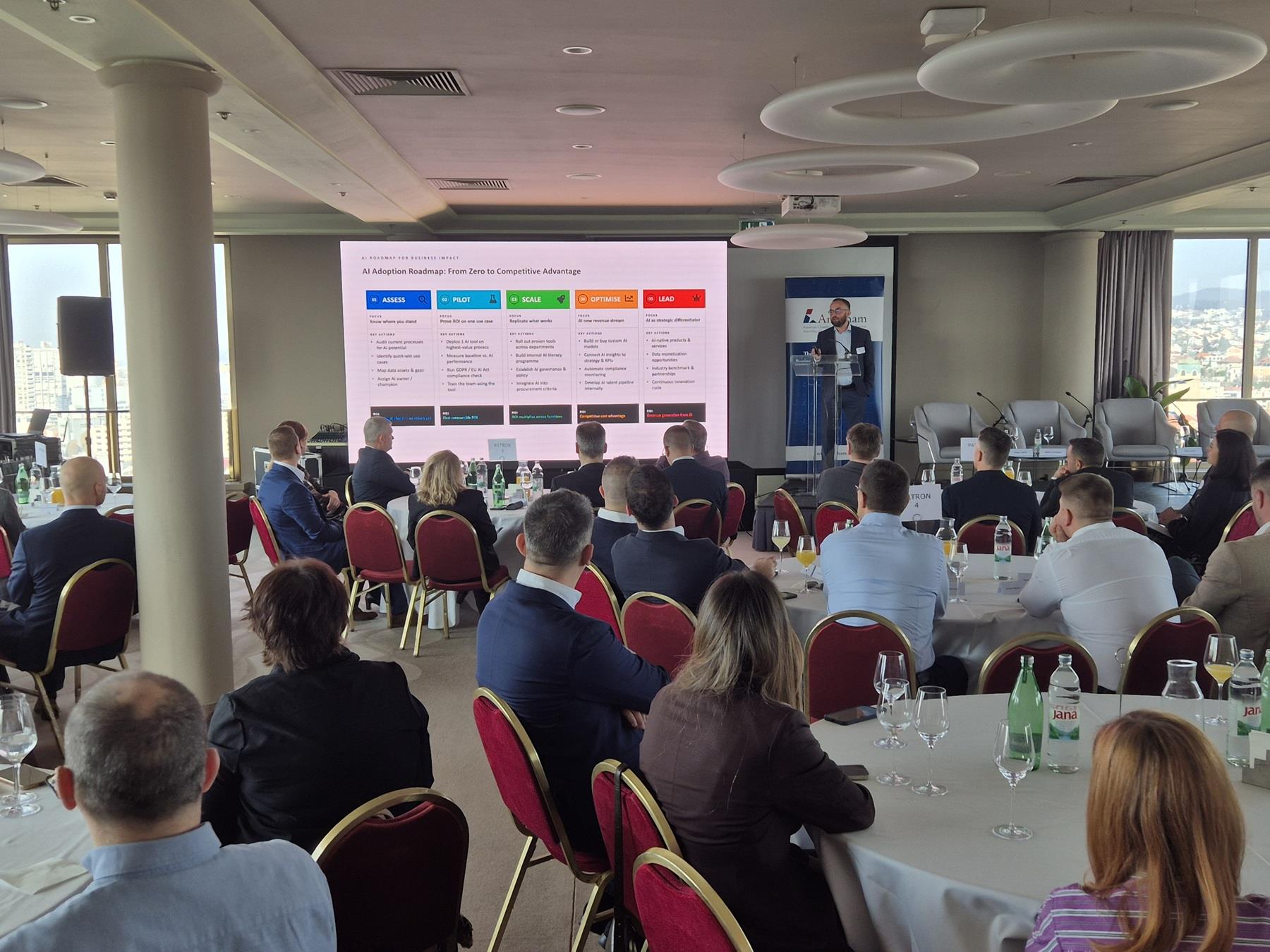
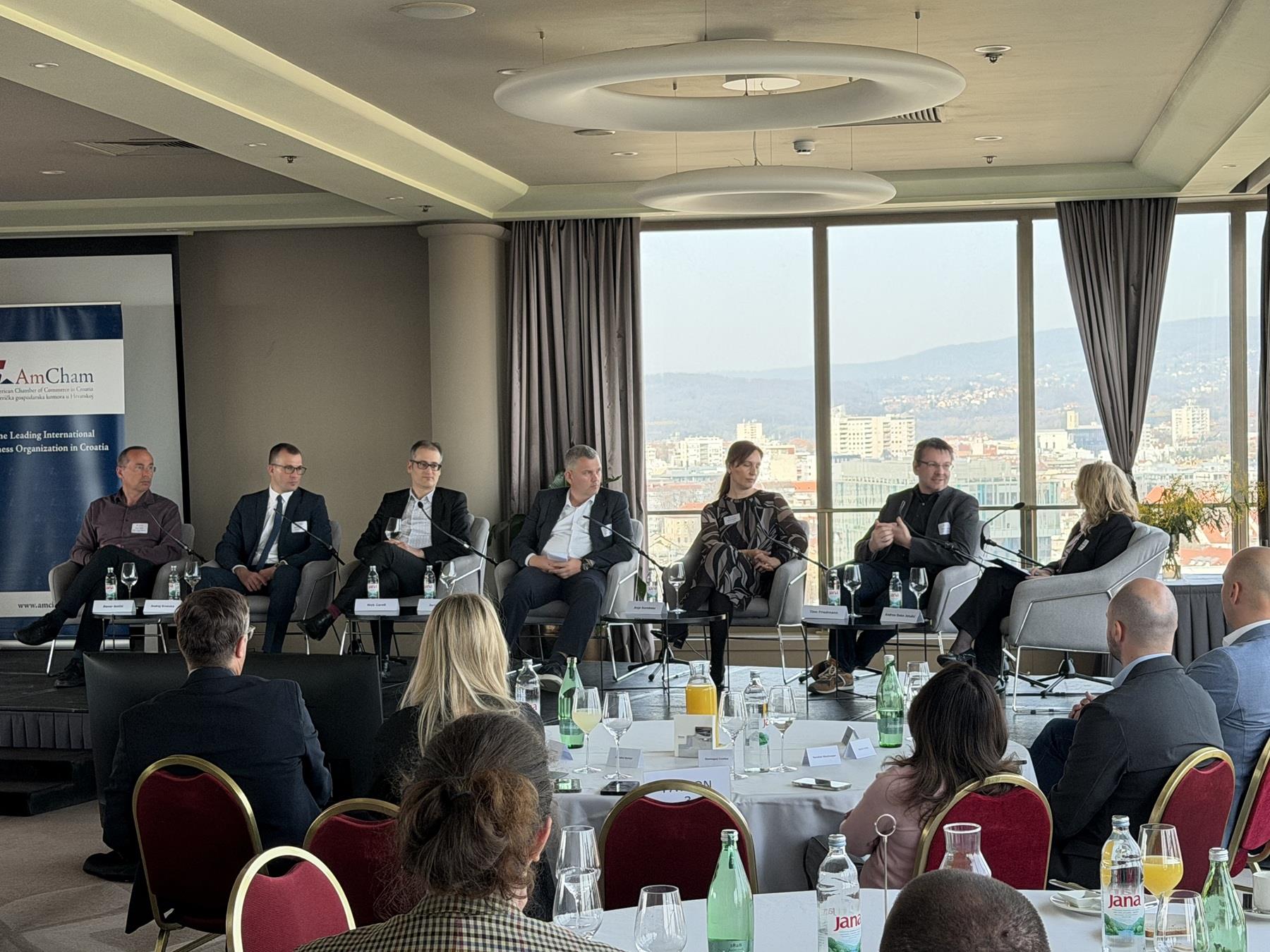
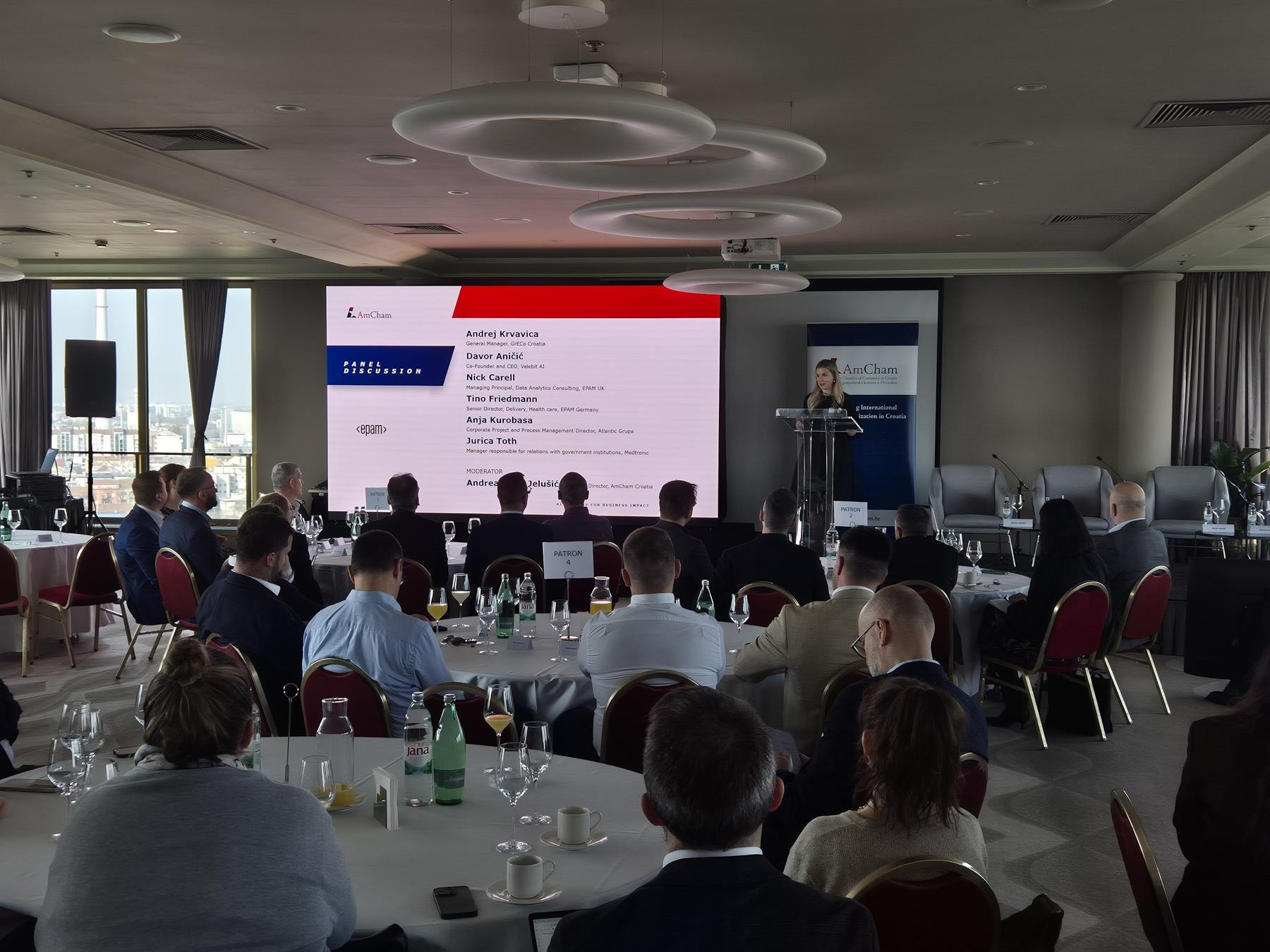

AmCham Croatia, in cooperation with EPAM Systems, brought together leaders from the business and technology community for a discussion on how organizations can move beyond experimentation with artificial intelligence and develop structured approaches that translate AI initiatives into measurable and sustainable business value.
Opening the event, Andrea Doko Jelušić, Executive Director of AmCham Croatia, noted that artificial intelligence has rapidly moved from the domain of experimentation to the strategic agenda of company leadership. Increasingly, organizations are recognizing technology not merely as an operational tool, but as a driver of competitiveness, productivity, and long-term growth.
In the keynote address, Dmytro Abrosymov, Country Head Croatia at EPAM Systems, emphasized that the key question companies face today is no longer whether to adopt AI, but how to design a clear roadmap that connects AI initiatives with tangible business value. While the technological capabilities of AI continue to evolve rapidly, organizations must focus equally on governance, data foundations, and organizational readiness in order to scale these initiatives successfully.
The central part of the event was a panel discussion moderated by Andrea Doko Jelušić (Executive Director, AmCham Croatia), featuring Andrej Krvavica (General Manager, GrECo Croatia), Davor Aničić (Co-Founder and CEO, Velebit AI), Nick Carell (Managing Principal, Data Analytics Consulting, EPAM UK), Tino Friedmann (Senior Director, Delivery, Healthcare, EPAM Germany), Anja Kurobasa (Corporate Project and Process Management Director, Atlantic Grupa), and Jurica Toth (Manager responsible for relations with government institutions, Medtronic). Bringing together perspectives from consulting, industry, and technology, the discussion explored how organizations across sectors are approaching AI adoption in practice.
Panelists highlighted that while many organizations are currently experimenting with AI solutions, prioritization of use cases remains one of the most critical factors in determining whether AI initiatives translate into real business impact. Selecting projects that are closely aligned with business objectives and supported by strong data foundations was identified as a key step toward scaling AI successfully.
Another recurring theme was the importance of organizational readiness. Panelists noted that AI transformation is rarely limited to the introduction of new technologies; it often requires changes in operating models, governance frameworks, and workforce capabilities. In many cases, the success of AI initiatives depends as much on organizational culture and leadership as on the technology itself.
The discussion also addressed the role of regulation and responsible AI, particularly in highly regulated sectors such as healthcare and MedTech. Participants emphasized that responsible governance and human oversight are essential for building trust and ensuring that AI innovations can scale sustainably within complex regulatory environments.
The event concluded with practical demonstrations of AI solutions presented by EPAM Systems, illustrating how organizations can apply advanced analytics and AI tools to enhance decision-making, streamline workflows, and generate actionable insights from data.
By bringing together leaders from different industries and disciplines, the event provided a platform for a practical discussion on how companies can move from AI experimentation to structured, value-driven implementation - and ultimately turn AI potential into lasting business performance.
Topics in Focus
- Identifying high-impact AI use cases across the enterprise
- Building an AI roadmap that balances speed and strategic advantage
- Challenges and constraints of scaling GenAI
- Rethinking operating models in an AI-enabled organisation
- Making data, governance, and security foundational to AI at scale
SHARE


SHARE