 English
 Hrvatski

Trends in Healthcare - Challenges and Opportunities



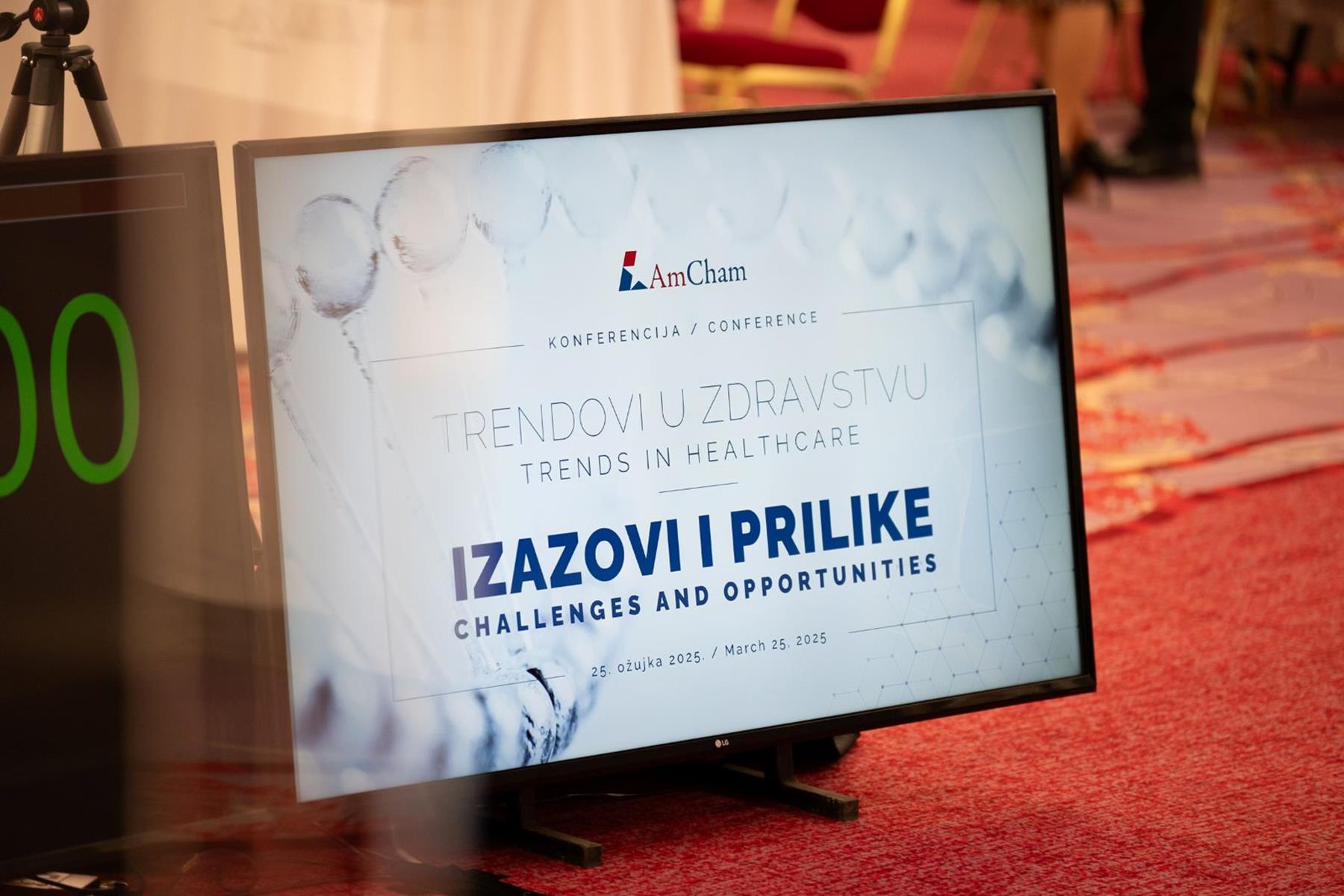

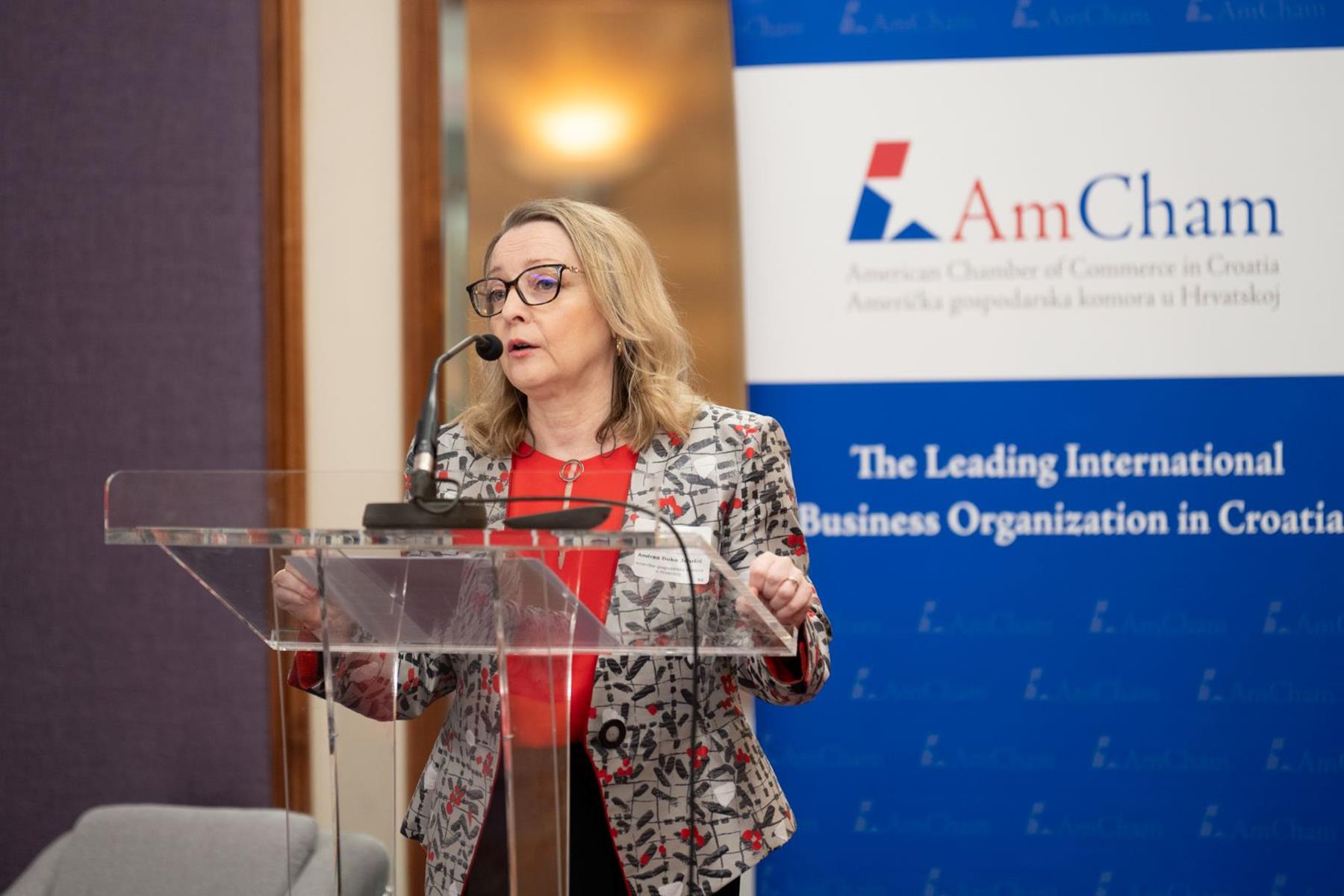
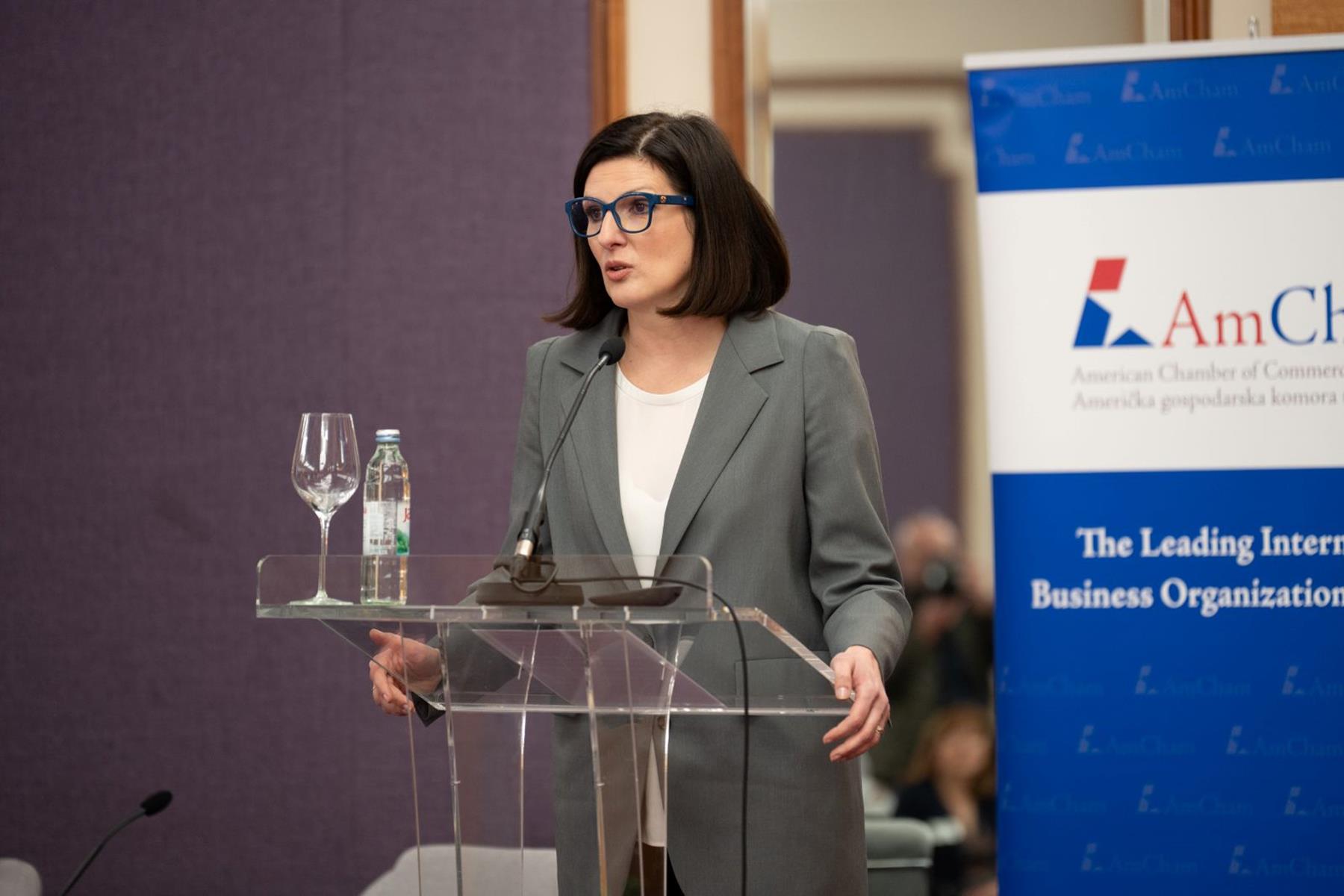
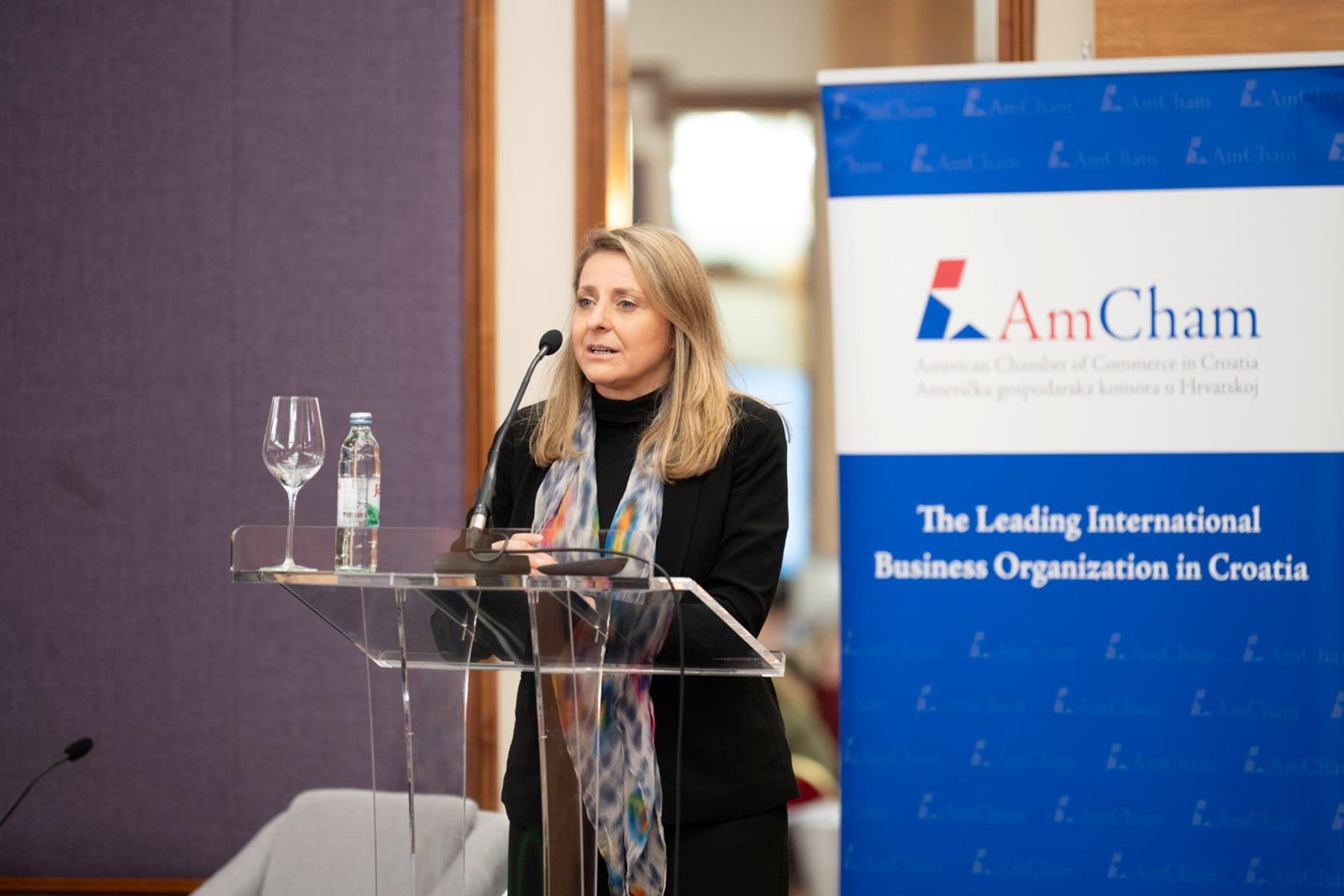







The American Chamber of Commerce in Croatia held its 6th edition of the Healthcare Conference, which brought together 170 key stakeholders from the healthcare sector. The focus of today’s AmCham conference was on artificial intelligence, personalized medicine and sustainability, with the aim of exploring how to leverage new technologies and trends to improve healthcare, while considering global challenges and their role in building a more agile, patient-centered, data-driven system.
Key trends in healthcare include the prevention and treatment of chronic diseases, such as obesity, and the balance between access to innovative therapies and financial sustainability.
“AmCham continuously advocates for reforms that encourage the modernization of the healthcare system, ensure greater availability of innovative therapies, and enable sustainable development of the industry. Our Healthcare Committee is actively working on proposals that address key challenges, including obesity as one of the growing challenges for public health,” said Andrea Doko Jelušić, Executive Director of AmCham Croatia.
Rina Musić, President of the AmCham Board of Directors, emphasized that AmCham is the leading business organization in Croatia, which brings together over 80 pharmaceutical companies, medical device development companies, private hospitals and consultants in the field of healthcare, and that AmCham's long-term goal is to achieve a sustainable healthcare system.
"Despite the challenges, we are focused on strengthening the public healthcare system, which is an important part of security, economic and technological progress. Along with investing in resilience and accessibility, our priority is to achieve sustainability and increase the quality and efficiency of the public healthcare system. The application of health technology assessment is part of these processes. And through the reorganization of the financing model of healthcare institutions, we are moving towards sustainability, without the need for additional financial rehabilitation. We will monitor the results through the implementation of goals that include, among other things, health preservation, treatment outcomes and years of healthy life," emphasized Martina Bogut Barić, Advisor to the Minister of Health.
The presentations were given by representatives of AstraZeneca and Roche. From AstraZeneca, Nikolina Škaron, MD, Government Affairs & Market Access Manager, pointed out that "healthcare is continuously facing the growing needs of an increasingly aging population and the increasing burden of chronic non-communicable diseases. This highlights the need to strengthen public-private partnerships to create an administrative, economic and political environment that encourages the application of the latest scientific and technological solutions. Investing in prevention, early detection, digital innovations and innovative medicines strengthens resilience, and citizens contribute to the sustainability of the system through responsible health behavior."
“Roche’s strategy is focused on continuously improving the patient journey through the healthcare system, from early diagnosis to tailored treatment options. Through projects such as early detection of disease progression in multiple sclerosis through MRI scanning, or by establishing a national Laboratory for Tumor Genetic Profiling through the Personalized Oncology Solutions project, Roche strives to ensure continuous support for better treatment outcomes, improved quality of life for patients and greater value for the healthcare system. Roche firmly believes that innovation in healthcare is an investment, not a cost,” emphasized Francis Lepoutre, CEO and Suzana Kober, MD, Medical Director.
The first panel discussion “Obesity – a public health challenge of today” was attended by Prof. Davor Štimac, MD, President of the Croatian Obesity Society; Jurica Toth, MD, Chair of the Health Committee, AmCham (Medtronic); Vanesa Benković, Director of Public Affairs and Market Access, Novo Nordisk. The panelists agreed that addressing the issue of obesity in Croatia requires a multisectoral approach that would include prevention from an early age, education of family doctors and the implementation of innovative therapies.
PMI representative, Ondrej Koumal, Director of Corporate Affairs, emphasized that “prevention and smoking cessation remain the cornerstone of public health strategies, and with technological advances and available scientific evidence, there is room for an approach based on the concept of harm reduction. Continuous dialogue among all key stakeholders, evaluation of new evidence and experiences of other countries can help in finding a sustainable solution”.
The second panel discussion “The Future of Healthcare: Innovation and Sustainability” was attended by Assoc. Prof. Dr. Tomislav Sokol, Member of the European Parliament; Martina Bogut Barić, Advisor to the Minister; Suzana Kober, MD, Medical Director, Roche; Nikolina Škaron, MD, Government Affairs & Market Access Manager, AstraZeneca; Conor Dempsey, General Manager for Croatia and Slovenia, MSD and Dunja Maronić Filaković, Governmental Affairs Lead, Abbvie where the panelists agreed that it is necessary
SHARE


SHARE