 English
 Hrvatski

Digital Croatia 2030
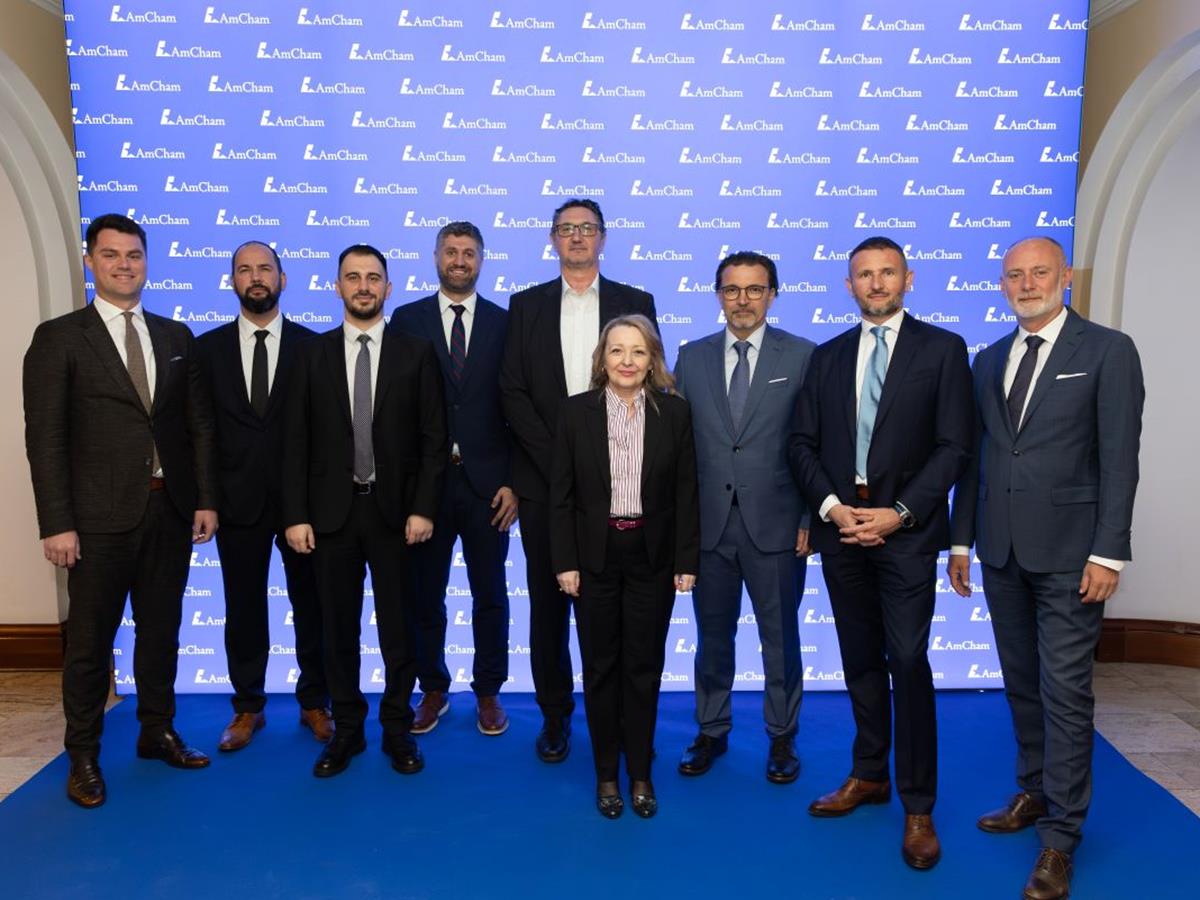







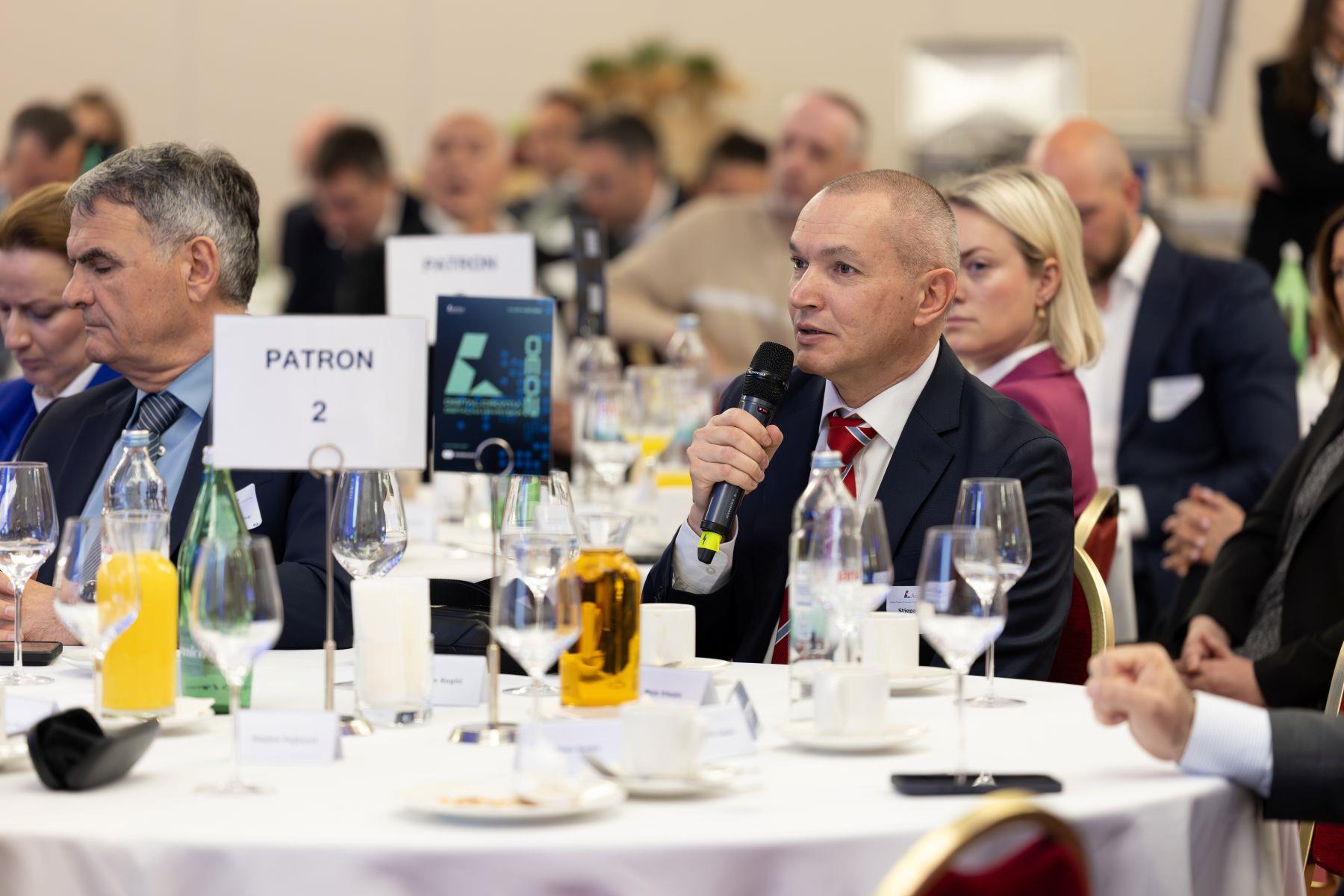

The American Chamber of Commerce in Croatia hosted the eighth edition of the conference “Digital Croatia 2030”, once again bringing together leading representatives from the business and public sectors.
The conference focused on digital innovation, creating development opportunities through the application of new technologies, and the role of transatlantic cooperation in the context of digital sovereignty.
Two panel discussions and presentations provided insights into leading trends in the development and application of artificial intelligence, cloud computing, and digital technologies.
“Digital transformation is the key driver of Croatia’s growth and competitiveness, and its further development should be based on a strong digital ecosystem, the application of advanced technologies, and cooperation between the public and private sectors, while preserving digital sovereignty and openness to international partnerships,” said Andrea Doko Jelušić, the Executive Director of AmCham Croatia.
In his keynote speech, Minister Damir Habijan emphasized the importance of information infrastructure in Croatia: “The goal is to establish a reliable, secure, and interoperable national information infrastructure that enables the development of a wide range of digital services for citizens and businesses. In line with the Digital Croatia Strategy 2032 and the vision of the European Digital Decade, we have launched and implemented numerous key projects. The capacity of the Shared Services Center has been expanded, the court register has been modernized, and with the implementation of the IRN corridor within the Three Seas region, we are no longer merely users of foreign technologies but are becoming a leader in the deep tech sector,” said Minister of Justice, Public Administration, and Digital Transformation Damir Habijan.
The first panel discussion presented projects by Croatian IT companies – Triple Innovations, Uprise, Aduro Ideja and Velebit AI – including the optimization of digital platforms in the pharmaceutical industry, the development of smart solutions for the energy and telecommunications sectors, and the application of artificial intelligence in business.
The second panel discussion focused on the role of transatlantic cooperation in the context of digital sovereignty. Panel participants included Saša Bilić, President of the Management Board of APIS IT, Boris Petrušić, Country Manager at Oracle Croatia and Goran Đoreski, Director at Digital Realty.
In a video message, Karlo Ressler emphasized that Europe must avoid two extremes – becoming dependent on external solutions, data, and infrastructure, while also ensuring its own regulatory framework does not constrain innovation. Regulation must protect, but also enable development.
In his presentation, Goran Kruljac, Country Manager at IBM Croatia outlined the key elements of digital sovereignty: “Digital sovereignty is becoming a strategic priority for organizations facing growing geopolitical risks, increasing regulatory requirements, and the rapid adoption of artificial intelligence. It goes beyond questions of IT infrastructure and data location, encompassing control over operations, technology, data, and AI. By embedding sovereignty into the design of the entire digital environment, organizations can ensure control, resilience, auditability, and transparency – while also fostering innovation and enabling the large-scale adoption of AI.”
The panelists agreed that digital sovereignty is achieved by balancing control over data with cooperation with global partners, while strengthening Croatia’s role as a regional digital hub.
“From the perspective of EURITAS and APIS IT, digital sovereignty does not mean isolation, but rather a balance between control over critical infrastructure and data and the free flow of innovation. When it comes to registries and sensitive systems, sovereignty must be a priority, while in areas where the market brings speed and competitiveness, partnerships should take precedence. In this context, cooperation with global technology companies is essential, alongside clear rules, transparency, and the retention of control over data and key systems,” said Saša Bilić, President of the Management Board of APIS IT.
Boris Petrušić of Oracle Croatia emphasized: “Croatia can build digital sovereignty with global partners like Oracle while maintaining full control over data, local processing, and strong encryption. Sovereign cloud is not a compromise, but a tool that combines scalability and compliance with EU regulations. Open standards, portability, and local expertise are key. Through cooperation between the public sector and industry, we can accelerate innovation, strengthen security, and enhance the resilience of the economy.” Goran Đoreski, Director at Digital Realty, added that increasing constraints caused by power grid congestion, long lead times, and stricter regulation of traditional FLAP-D hubs are driving investors and operators to shift growth toward Central and Eastern Europe, with Zagreb emerging as a uniquely positioned east–west digital corridor.
Program:
09:00– 09:30 Registration and breakfast
09:30 – 09:40 Welcome speech
09:40 – 10:00 Keynote speech
10:00 – 10:15 Introduction to panel discussion
10:15 – 11:00 Panel discussion
11:00 – 11:15 Introduction to panel discussion
11:15 – 12:00 Panel discussion
SHARE


SHARE